Salt Stomping: What the Viral Sleep Ritual Actually Does
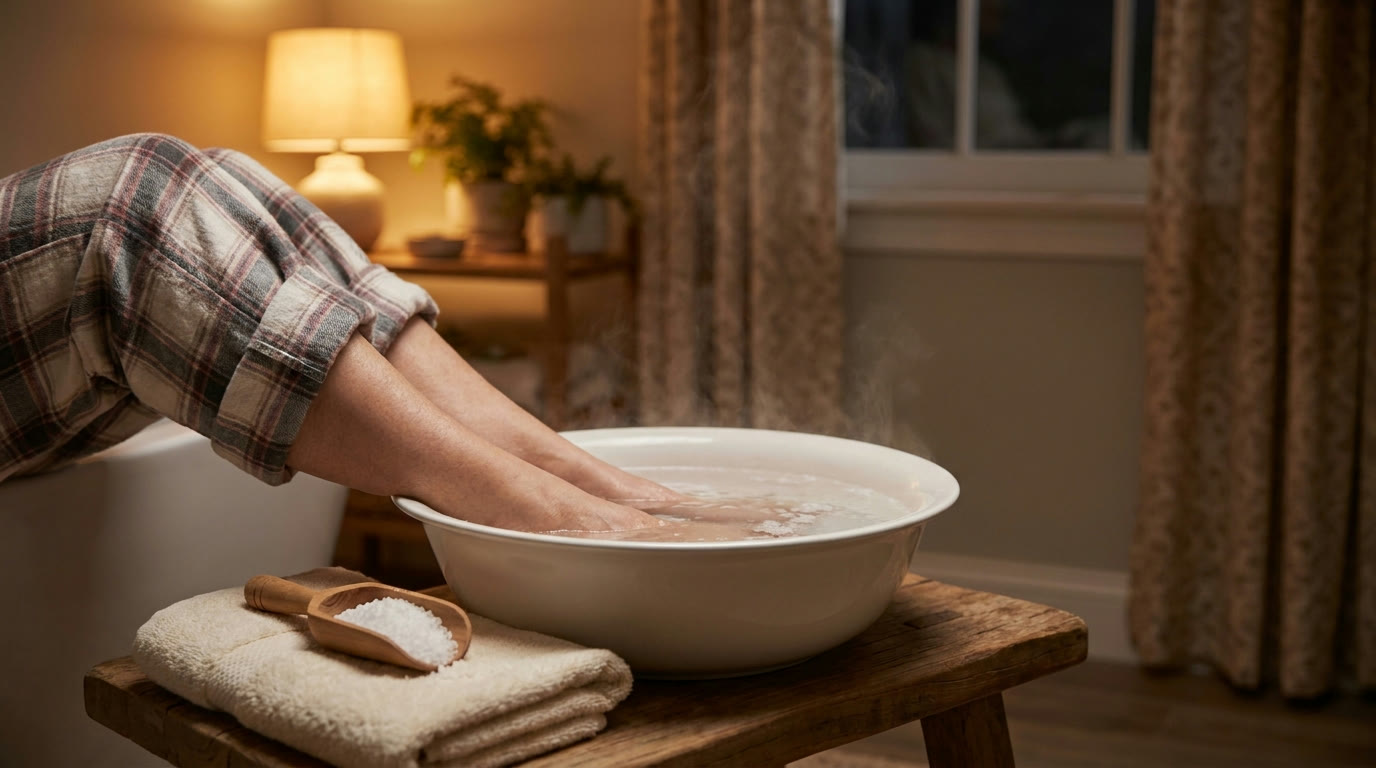
The salt stomping trend promises better sleep from standing on epsom salt. Here is what holds up, what does not, and a safer way to try it.
Sleep gets lighter with age, but it does not have to get worse. Seven changes with real evidence behind them, ranked from easiest to hardest.
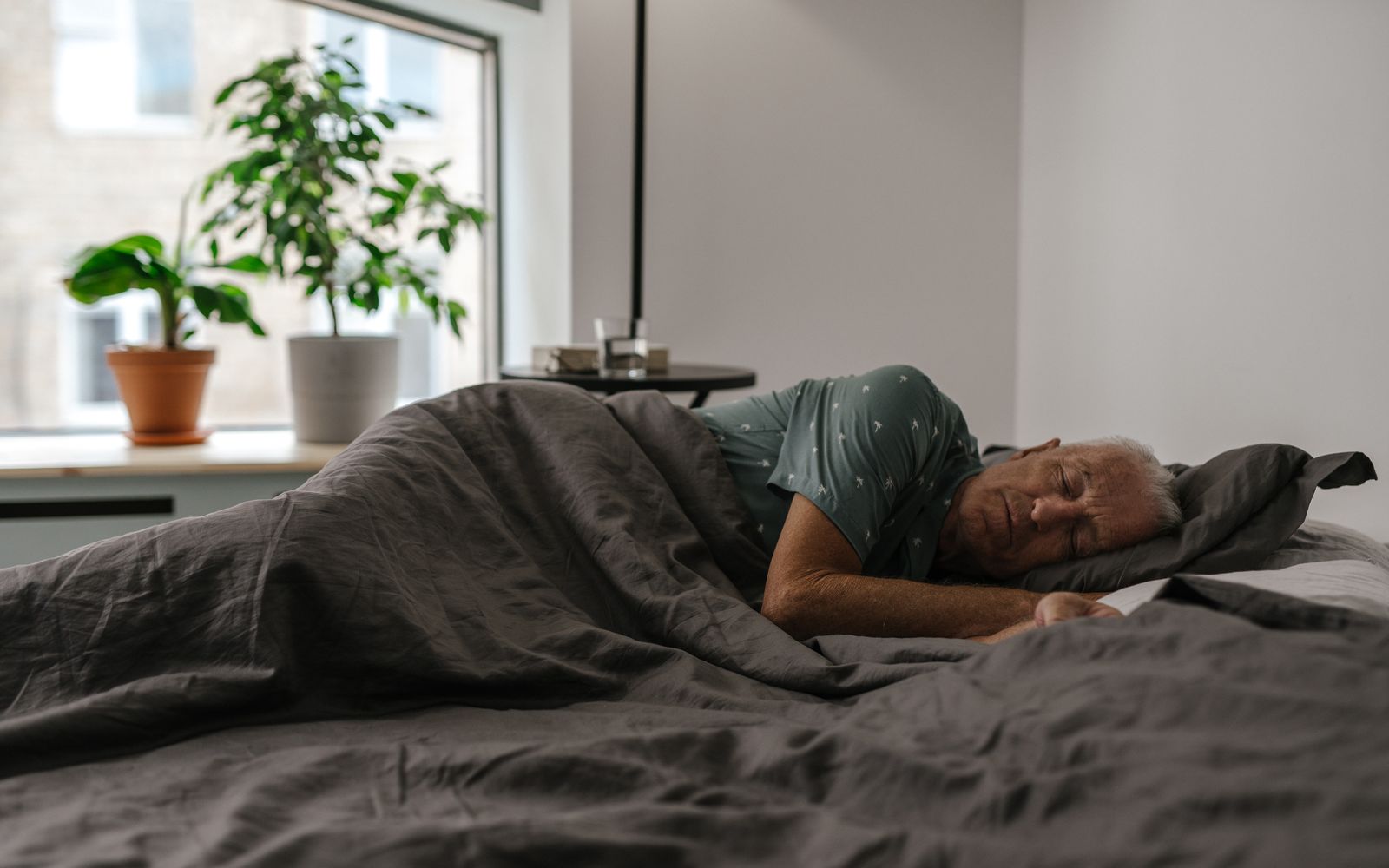
Sleep architecture changes with age: less deep sleep, more awakenings, earlier mornings. That part is biology. How much it bothers you is largely habit, and habits can be rebuilt. These seven are ranked from easiest to hardest.
Ten minutes of outdoor light within an hour of waking anchors your circadian clock. This is the highest value change on the list and it costs nothing.
Caffeine has a half life of five to six hours, and sensitivity rises with age. The afternoon cup you have had for decades may be the culprit behind 3 a.m. wakeups.
Core temperature needs to drop for deep sleep. Somewhere between 65 and 68 degrees works for most people.
A consistent wake time, including weekends, does more for sleep quality than a consistent bedtime. Your bedtime will follow on its own.
Regular walkers fall asleep faster and log more deep sleep. Finish vigorous exercise at least three hours before bed.
Screens are less about blue light than about stimulation. A boring last hour is a powerful sleep drug.
If you snore, wake unrefreshed, or your partner notices pauses in your breathing, get a sleep study. Untreated apnea quietly undermines everything else on this list, and treatment is dramatically better than it was a decade ago.
The salt stomping trend promises better sleep from standing on epsom salt. Here is what holds up, what does not, and a safer way to try it.
A cup a day has been linked to better memory and slower cognitive aging in multiple trials. What the research shows, and the easiest ways to make it a habit.
These five foods have real evidence behind them for blunting glucose spikes and improving long term blood sugar control. No fad ingredients required.